What the third-shot drop (a.k.a. the 3rd shot drop) is, why it matters, when to drop vs. drive, and a simple progression to learn the shot that takes you from 3.0 to 4.0.
Ask any 4.0-plus player what separates them from the 3.0 crowd and you'll hear the same answer over and over: the third-shot drop. It's the most important — and most under-practised — shot in competitive pickleball.
What is the third-shot drop?
The third-shot drop is a soft, arcing shot hit on the third shot of the rally — the serving team's first shot after the serve and the return — that lands gently in the opponents' non-volley zone (the kitchen). Here's the problem it solves: the serving team starts at a disadvantage, stuck back near the baseline while the returning team is already up at the kitchen line. A good drop floats over the net, lands soft so it can't be attacked, and buys you the time to move up to the line and neutralize the point.
Why it matters so much
Because the team at the kitchen line wins the overwhelming majority of points. If you can't get to the line, you're perpetually on defence. The drop is the ticket that gets you there — which is why drilling it produces bigger rating jumps than almost anything else.
Third-shot drop vs. third-shot drive
The third shot doesn't have to be a drop — the other option is a drive, a hard, flat shot aimed at your opponents' feet or body. Neither is always right; good players choose based on the return they get.
- Hit a drop when the return is deep and low and you're pinned at the baseline — you need time to get to the kitchen, and a soft ball is the safest way to buy it.
- Hit a drive when the return floats high or lands short and hands you a ball you can attack — a drive can force a weak reply or an outright error that you then follow to the net.
- The pros mix both, and a common winning pattern is drive-then-drop: drive to force a pop-up, then drop the next ball and move in.
For most players climbing from 3.0 to 4.0, the drop is the higher-priority shot to own first — it's the one missing from most games, and it's what unlocks the kitchen line. Add the drive once your drop is reliable under movement.
A simple progression to learn it
- Start at the kitchen line and dink softly over the net until you have the touch.
- Take one step back and repeat, keeping the same soft arc.
- Keep stepping back a bit at a time until you're dropping from the baseline.
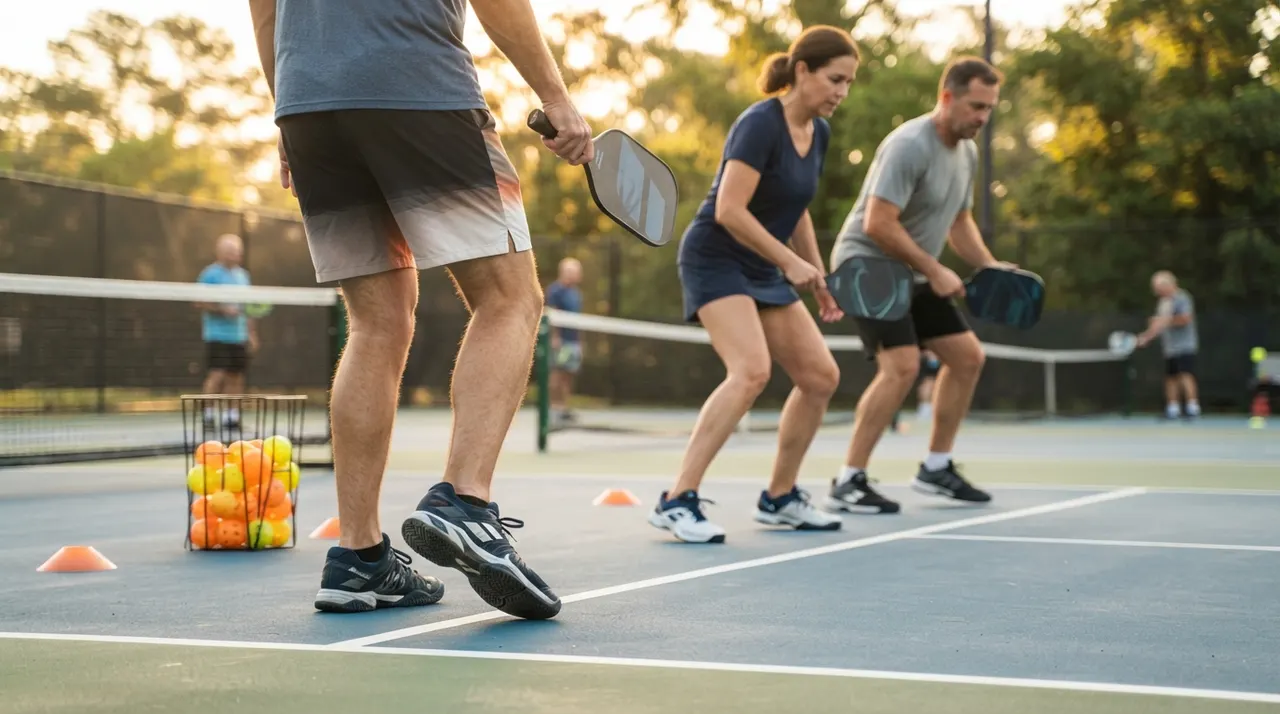
- Add movement: hit the drop, then jog up to the line as the ball travels.
A third-shot drop you can only hit standing still isn't a third-shot drop yet — it has to hold up while you're moving forward under pressure.
Third-shot drop FAQs
Why is it called the third shot?
Count the shots in a rally: shot one is the serve, shot two is the return, and shot three is the serving team's next ball — the third shot. Because of the two-bounce rule that ball has to bounce first, so it's almost always played off the ground from deep in the court, which is exactly why the soft drop is so useful there.
Is the third shot always a drop?
No. The drop is the highest-percentage option when you're stuck at the baseline, but a third-shot drive is the better choice when the return sits up and gives you something to attack. Strong players read the return and pick one — see the drop-vs-drive breakdown above.
Is the third-shot drop hard to learn?
It's a touch shot, so it takes reps — but it's very learnable with the right progression: start at the kitchen, step back gradually, then add the forward move. Most players get a usable drop within a few focused sessions; making it hold up under pressure is what takes longer.
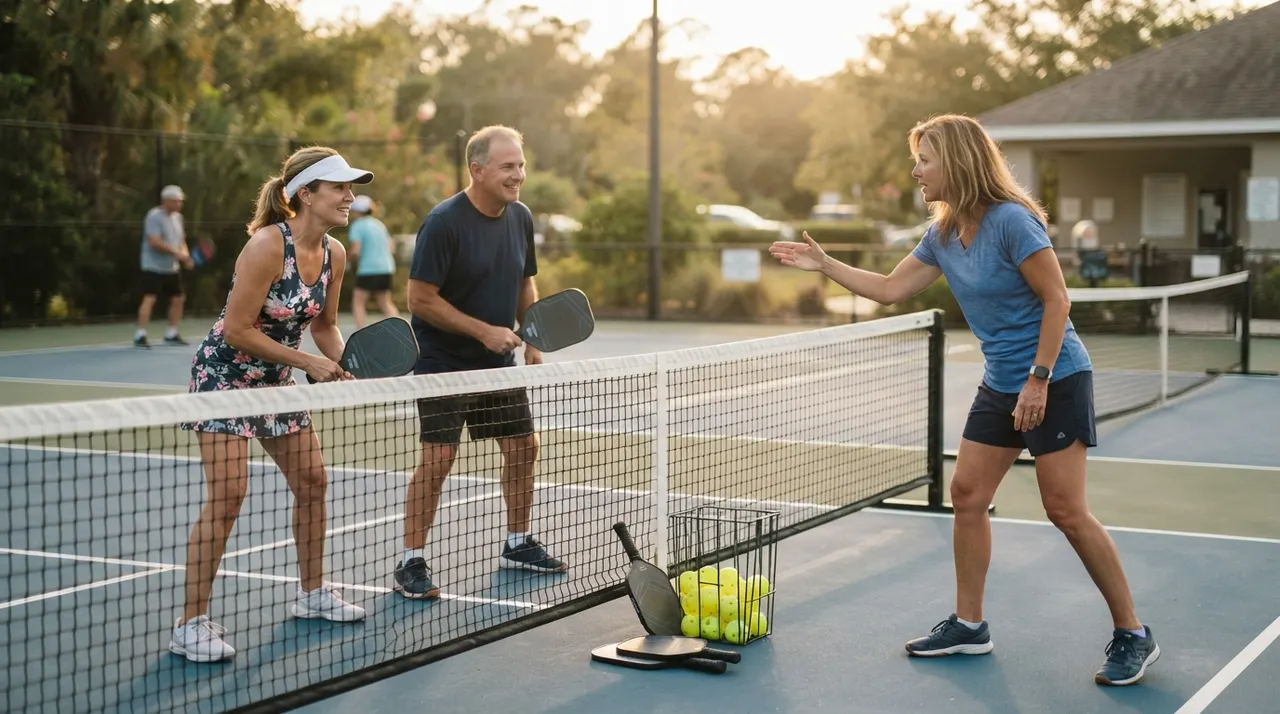
It's a feel shot, and feel is best built with live reps and instant feedback. Our advanced drills sessions spend more time on the drop than any other shot, and pairing it with video analysis shows you exactly what your paddle face is doing at contact.
References
- USA Pickleball — Essential Rules Summary (non-volley zone, two-bounce rule)
- USA Pickleball — 2026 Official Rulebook (PDF)
- Pickleball Canada — Official Rules of Play
This article is general educational information, not professional, medical, or purchasing advice. External links are provided for reference; Vaughan Pickleball Tutor is not affiliated with and does not endorse any third-party brand or organization listed.