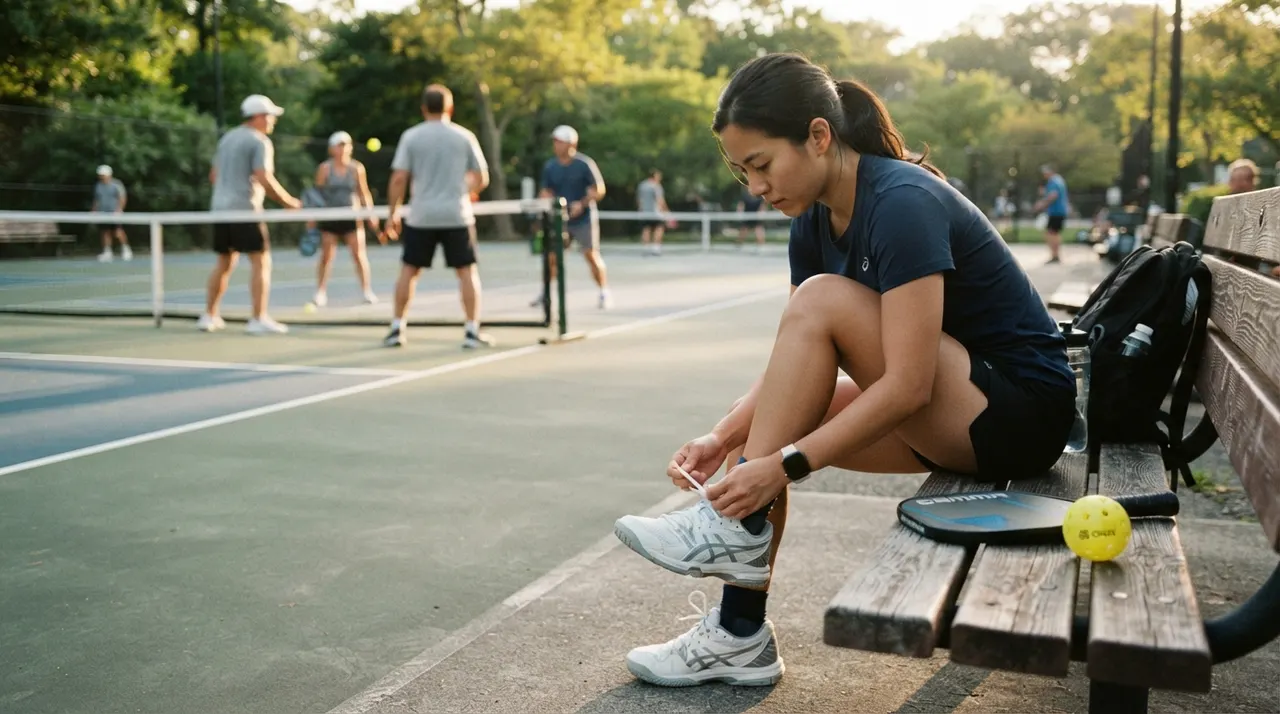
Learn to play pickleball cost: a realistic breakdown of lessons, paddles and shoes, plus where to spend first and what to skip.
The learn to play pickleball cost is lower than most people expect. The catch is that beginners often spend in the wrong order. They buy a flashy paddle, skip the shoes, and then wonder why their ankles hurt after two sessions. This guide breaks down what getting started really costs, and why footwear deserves a bigger slice of your budget than the paddle.
The Three Costs of Learning Pickleball
Every new player pays for three things: instruction, gear, and court access. The amounts vary by region and facility, so treat any figure as a market range and check local prices before you commit.
- Instruction: a beginner clinic or intro session, or a few coached hours, to build good habits early.
- Gear: a paddle, balls if you're practising on your own, court-appropriate shoes, and sensible clothing.
- Court access: free at many public courts, but some clubs and indoor facilities charge per visit, per session or by membership.
Of these, court access is the one most likely to cost nothing. Public courts, like the ones covered in our guide to York Hill pickleball courts, are often free to use. That leaves lessons and gear as your real budget.
Shoes Come First, Not the Paddle
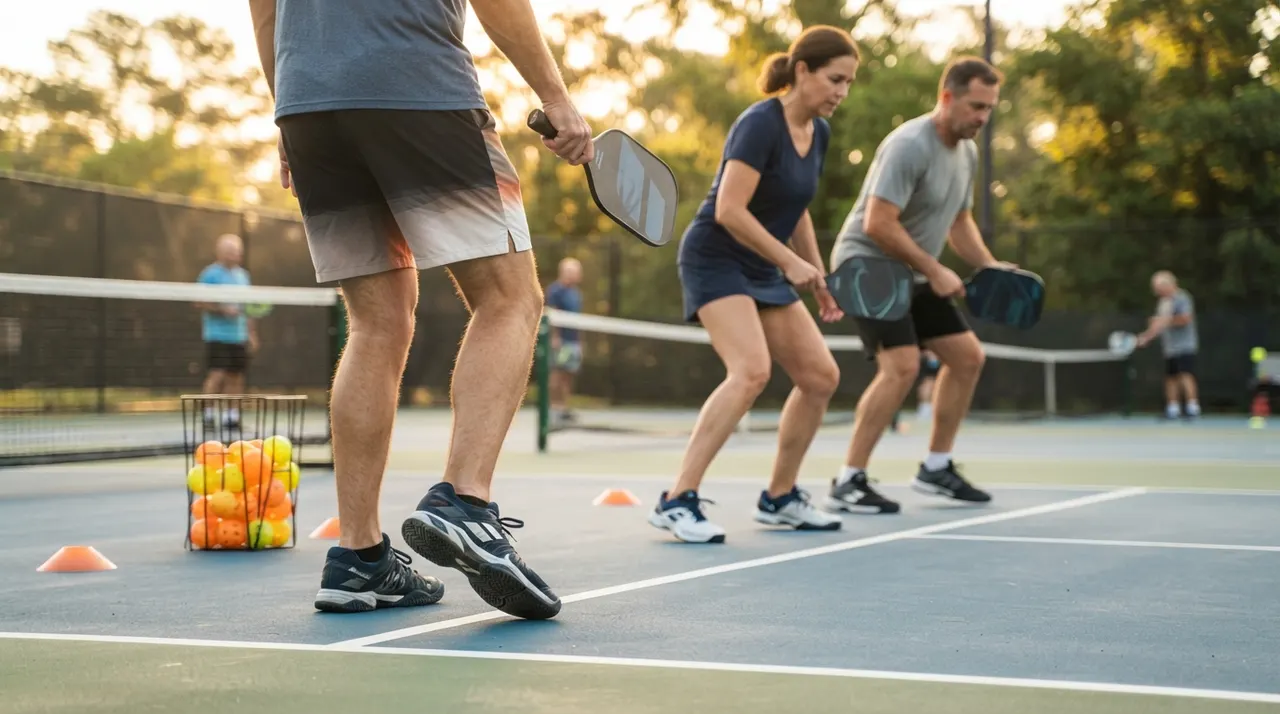
Pickleball is a game of short, sharp lateral movement: split steps, side shuffles, quick stops at the kitchen line. Running shoes are built for forward motion and have soft, tall midsoles that can roll under sideways pressure. Court shoes are built for exactly the movements you'll make hundreds of times per game.
A $60 paddle in good court shoes will serve you better than a $200 paddle in worn-out runners.
Expect decent court shoes to land in a broad mid-range price band, with budget options below it and premium models above. You don't need the top of the range. You need lateral support, a grippy outsole that suits your surface, and a fit that doesn't slide around. Our full rundown of the best shoes for pickleball covers what to check before you buy.
When you can skip new shoes
If you already own clean, low-profile court shoes from tennis, squash or badminton, use them for your first few sessions. Just check the tread. Worn-smooth soles are a slip risk, and that's a reason to replace them, not stretch them further.
What Else You Actually Need
Beyond shoes, the starter kit is short. Many clubs and beginner programmes lend paddles, so you can often play your first sessions without buying anything. When you do buy, a mid-priced paddle from a reputable brand is plenty for your first year. Paddle preferences change fast once you learn your style, so spending heavily at the start usually means buying twice.
- Paddle: borrow first, then buy a mid-priced model once you know your grip and swing.
- Balls: indoor and outdoor balls differ, so ask which type your courts use before you buy a set.
- Clothing: breathable athletic wear you already own is fine.
- Extras: water bottle, sun protection for outdoor play, and a bag if you want one. None of these are urgent.
What Lessons Cost and Whether They're Worth It
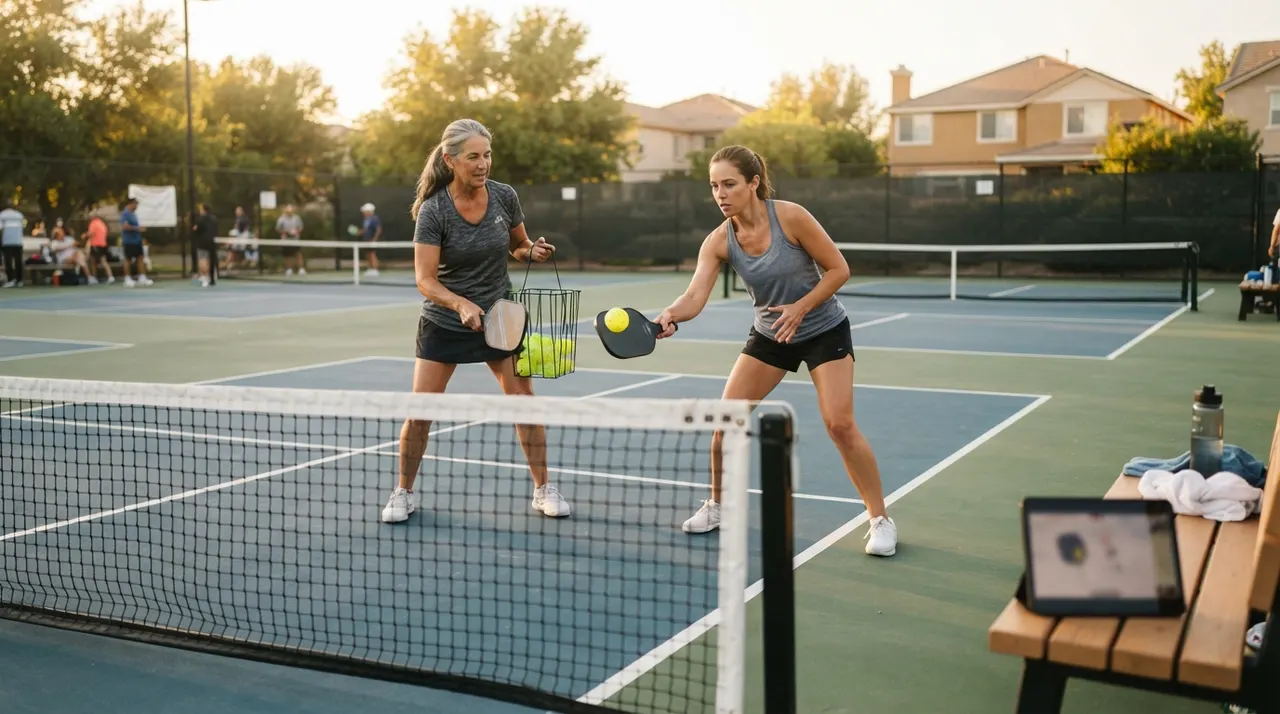
Instruction is where the cost range is widest. A group intro session is typically the cheapest way in, while one-on-one coaching costs more per hour but gets you tailored feedback. We've broken those numbers down in our posts on private pickleball lessons cost and semi-private lessons cost, so you can compare formats.
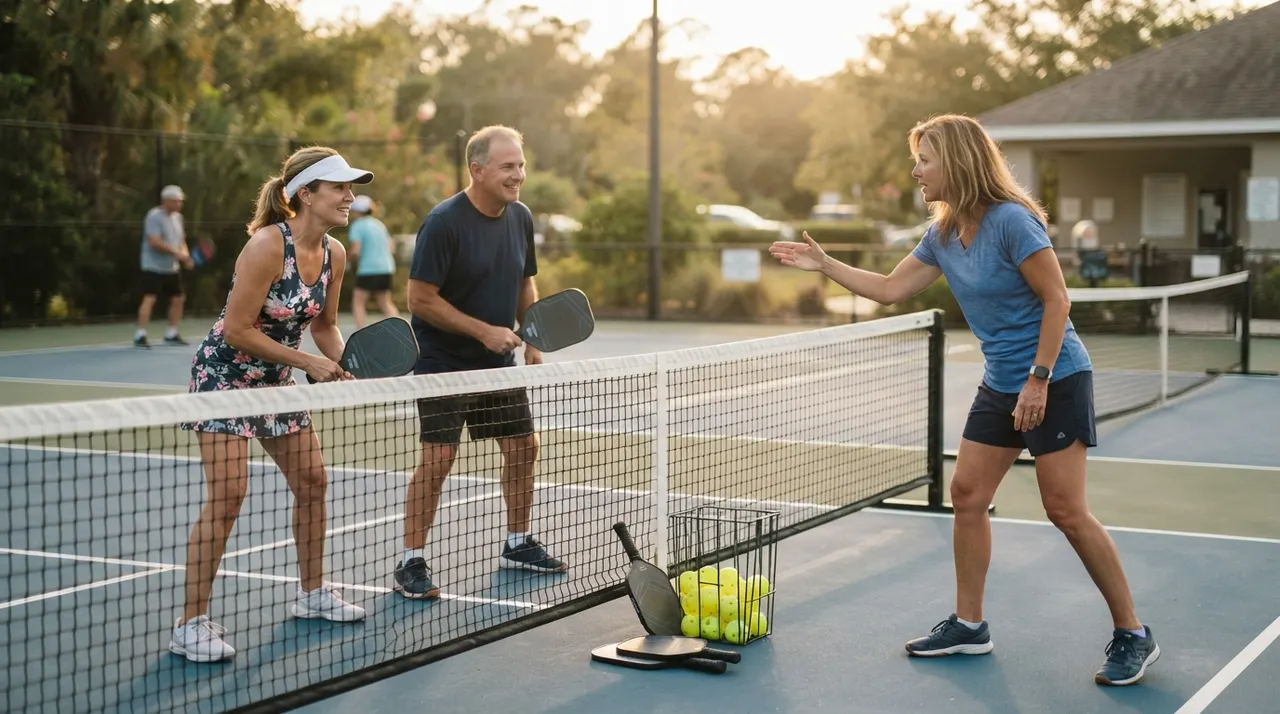
For most beginners, the sweet spot is a short structured start rather than a long coaching commitment. A program like Learn To Play is built to teach the rules, scoring, positioning and basic strokes in one go, so you don't spend weeks picking up bad habits from guesswork. After that, you can decide whether private coaching is worth it for specific skills like dinking or serves.
Pay for instruction once, early. Fixing bad habits later always costs more than learning them right.
A Sensible Order to Spend Your Money
- Book a beginner session or intro lesson and borrow a paddle if you can.
- Check your footwear. Replace worn or non-court shoes before you play regularly.
- Buy a mid-priced paddle once you've played several times and know what feels right.
- Add balls, a bag and accessories as you go.
- Invest in private or semi-private coaching when you hit a specific plateau.
Following this order keeps your first outlay small and puts money where it protects you and speeds up learning. Total startup costs can stay modest if you resist upgrading everything at once.
The Bottom Line
Learning pickleball doesn't need a big budget. Start with an intro session, put proper court shoes ahead of an expensive paddle, and add gear as your game develops. Spend where it keeps you injury-free and improving, and the rest can wait.