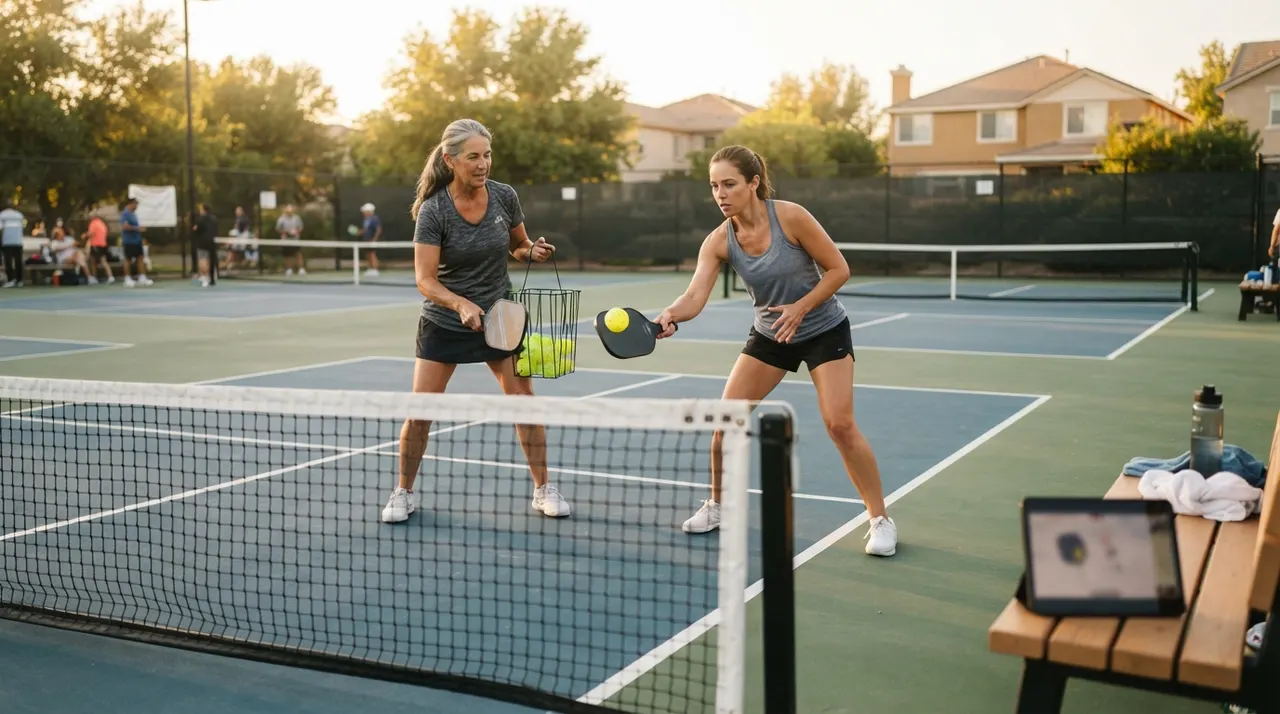
Private lessons cost more per hour than clinics, but a smart plan saves money. Learn how many sessions you need and how to budget them.
Private lessons cost more per hour than almost any other way to improve at pickleball, so the smart question isn't "what's the rate?" It's "how many sessions do I actually need, and how do I make each one count?" A player who books ten random lessons and shows up with no plan will spend more and improve less than someone who books three focused ones. This guide is about budgeting the whole process, not just the hourly price.
What Actually Drives Private Lesson Pricing
Hourly rates vary a lot by market and by coach. As a loose, hedged range, many coaches in the US charge somewhere between about $50 and $120 an hour, with top-tier or tournament-level instructors going higher. Your local rate will depend on these factors:
- Coach experience and credentials: certified instructors with teaching and playing backgrounds usually charge more than a strong club player who coaches on the side.
- Court fees: some coaches include court time in their rate, and others expect you to cover it separately.
- Session length: 30-minute lessons cost less up front but often leave little time for drills and feedback.
- Group size: a semi-private lesson with a friend or partner splits the cost in half, or close to it.
- Packages: buying three to five sessions in a row is often discounted compared with paying one at a time.
For a full per-hour breakdown, see our companion guide on what private pickleball lessons cost per hour. Here we focus on the budgeting side.
How Many Lessons Do You Really Need?
There's no magic number, but most players fall into one of a few patterns. Treat these as rough planning guides, not promises of results.
Brand-new players: 1 to 3 lessons
Beginners mostly need the fundamentals: grip, ready position, the serve and return, and the kitchen rules. One to three sessions can prevent bad habits that take months to unlearn. After that, playing regularly with friends does more for you than more coaching.
Intermediate players stuck on a plateau: 2 to 4 lessons
If you're losing the same points over and over, such as dinks popping up or third shots sailing long, a coach can usually spot the cause in a single session. Space the lessons two to three weeks apart so you have time to practice between them.
Competitive players: occasional tune-ups
Tournament players often book a lesson before a big event or after a bad stretch. That's a different kind of spending. You're paying for a trained outside eye, not for a curriculum.
A lesson is only expensive if you leave with nothing to practice.
Ways to Lower the Cost Without Lowering the Value
You don't need to cut lessons to save money. You just need to be deliberate. Here's the order I'd follow:
- Pick one specific goal per lesson, such as a reliable third-shot drop or a steadier backhand dink, instead of asking the coach to fix everything.
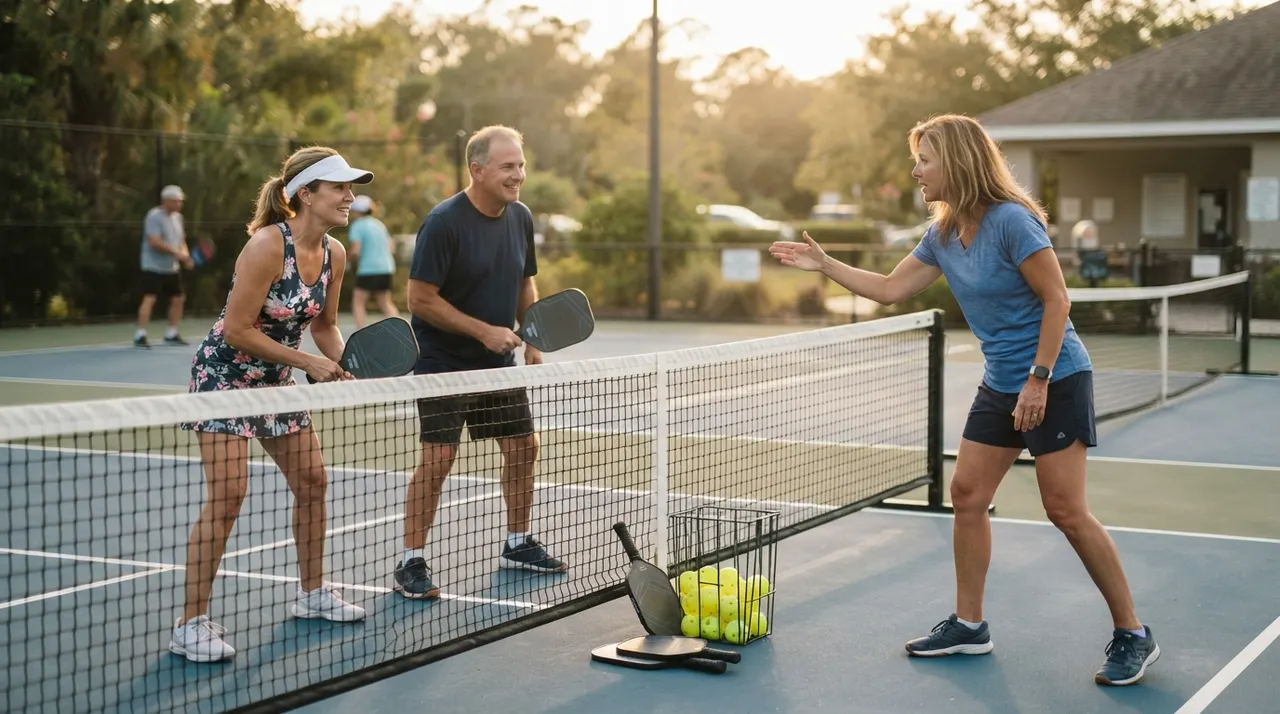
- Split the hour with a partner at a similar level. Semi-private sessions cut your share and give you someone to drill with afterward.
- Ask whether court time is included so you can compare total costs accurately.
- Film a few minutes of play beforehand, or ask to record during the lesson, so the coach's feedback is easy to review later.
- Spend the next week practicing what you learned before booking again. Lessons stacked back-to-back rarely stick.
If you're also weighing gear costs, note that proper footwear can prevent injuries that would cost you far more than a lesson. Our guide to the best shoes for pickleball covers what to look for.
When Private Lessons Aren't Worth It
Being honest about this saves you money. If you've never held a paddle and aren't sure you'll stick with the game, a cheaper group clinic or a few sessions with friends is a better first step. If you can't commit to practicing between lessons, you'll mostly be paying for the same feedback twice. And if your budget is tight, one well-prepared lesson beats a package of five you can't use well.
On the other hand, private coaching is a good value when you have a clear problem, limited time to play, or an upcoming tournament. Those are the moments when personal, one-on-one feedback shortens the learning curve.
Planning Your First Lesson
Before you book, write down your goal, your current level, and how often you play. Then ask the coach about rates, session length, whether court time is included, and any package pricing. If you'd like a structured option, our private pickleball lessons are built around a specific focus for each session, so you leave with drills you can run on your own. Also think about where you'll practice afterward. Our guide to York Hill pickleball courts can help you find somewhere to put the lesson to work.
The takeaway: private lessons cost real money, but the hourly rate is only half the story. Go in with one clear goal, book a small number of sessions, practice between them, and you'll usually get far more improvement per dollar than you would from a long string of unplanned hours.